HOW FIRE AND SMOKE DAMAGE A HOME
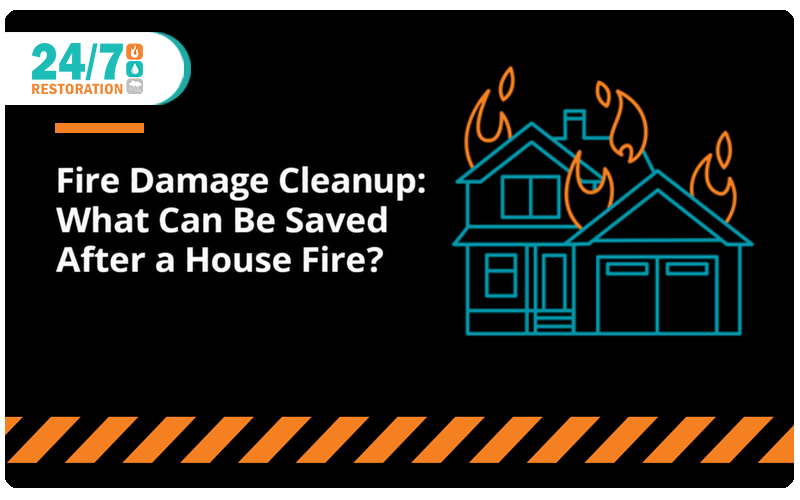
Fire damage is rarely limited to the room where the fire started. Smoke and soot can travel through hallways, vents, and wall cavities, settling on surfaces far from the source. Water used to control the fire can also soak flooring, drywall, and contents.
Smoke damage can be difficult to judge by sight alone. A surface may look clean while residue remains on or inside the material, and odours can continue long after visible soot has been wiped away.
Homeowners should wait until it is safe to re-enter the property and follow the guidance of fire officials. Damaged structures, electrical systems, and airborne residue can all create hazards.
A house fire can affect a property in several ways, including:
- Flame damage
- Heat damage
- Soot residue
- Smoke odours
- Water saturation
- Structural damage
- Ventilation contamination
- Damaged contents
Because the effects are layered, a thorough assessment looks at more than the visible burn area. Professional smoke restoration considers how far smoke travelled, which materials absorbed residue, and where moisture may remain.
WHAT CAN BE SAVED AND WHAT MAY NOT
Many homeowners are relieved to learn that a lot can be saved after a fire. Hard, non-porous items are often the best candidates for cleaning, while porous materials tend to absorb smoke and residue more deeply.
Items that may often be cleaned and restored include:
- Glass
- Metal items
- Ceramics
- Hard furniture
- Some electronics
- Dishes
- Framed photos
- Some clothing
Other items are harder to save. Materials that absorb smoke, moisture, or heat may be difficult to clean fully, and some items may not be safe to keep.
Items that may need to be replaced include:
- Open food
- Medications
- Carpet
- Underlay
- Insulation
- Mattresses
- Heavily burned items
- Damaged drywall
These lists are general guidelines rather than rules. The condition of each item matters, as do its material, the level of exposure, and its value to the homeowner. Sentimental items such as photographs and keepsakes may sometimes be worth a professional cleaning attempt even when the outcome is uncertain.
It is best to avoid heavy scrubbing or wiping soot yourself, since this can push residue deeper into surfaces. Electronics and appliances that were exposed to smoke or water should not be used until they have been checked.
RESTORING YOUR HOME AFTER A FIRE
Recovery usually begins with an assessment and steps to protect the property from further damage. From there, restoration moves through cleaning, odour treatment, drying where needed, and repairs.
Professional fire and smoke cleanup may include:
- Damage assessment
- Board-up
- Debris removal
- Soot cleaning
- Odour treatment
- Contents cleaning
- Water extraction
- Structural drying
Odours deserve particular attention. Masking a smoke smell does not remove the residue causing it. Effective smoke restoration focuses on cleaning affected surfaces and treating or removing materials that continue to hold odour.
Once cleaning is complete, repairs can begin. Depending on the damage, this may involve drywall, insulation, flooring, painting, and other reconstruction work.
Professional restoration can also provide documentation of the damage, affected materials, and work performed, which may be helpful when communicating with an insurance provider. Homeowners can help by taking photographs of visible damage when it is safe to do so and keeping a list of affected belongings.
Acting promptly matters because soot and smoke residue can continue to affect surfaces and materials over time. If your home has been affected by fire or smoke, contact 24/7 Restoration for professional smoke restoration in Calgary. A careful assessment can help determine what can be saved, what needs to be replaced, and how to restore your home safely and thoroughly.
FAQs
Q: CAN FURNITURE AND BELONGINGS BE SAVED AFTER A HOUSE FIRE?
A: Many items can often be cleaned, especially hard, non-porous ones, while heavily damaged or porous items may not be restorable. A professional assessment can help determine what is worth cleaning and what should be replaced.
Q: WHY DOES SMOKE SMELL LINGER AFTER A HOUSE FIRE?
A: Odours can remain when smoke residue stays in materials, ductwork, or hidden areas. Surface cleaning alone may not remove them, so professional smoke restoration focuses on cleaning residue and treating affected materials.
Q: SHOULD I CLEAN SOOT AND SMOKE DAMAGE MYSELF?
A: Light cleaning may be possible, but soot can smear and spread, and hidden residue is easy to miss. It is usually wise to contact a restoration company before cleaning, especially after a significant fire.